
Poverty Alleviation Initiatives
Empowering rural households with trade training, microfinance, and food security resources to secure long-term family stability.
Ending Aid Dependence Through Trade
Charity is vital for immediate rescue, but long-term poverty removal requires self-reliance. In Bukalango, high unemployment rates and lack of formal trade skills leave single mothers and young adults struggling to secure basic nutrition.
Our Poverty Alleviation Program shifts the narrative. By providing structured vocational courses, we give women on-the-ground practical trade skills like sewing, knitting, hairdressing, and modern agriculture techniques.
Once they complete training, we match them with micro-loans or sewing machines to launch local enterprises. This creates a sustainable household income that permanently changes their children's educational and safety trajectories.
How We Drive Local Livelihoods
Skills Education & Training
Vocational classes in tailoring, carpentry, mechanics, and sustainable agriculture, paired with digital and financial literacy so graduates can earn independent wages.
Microfinance & Access to Credit
Small, flexible-repayment starter loans for women and groups, combined with financial education to help them launch retail stalls, kiosks, and tailoring shops responsibly.
Entrepreneurship Support
Business planning training, mentorship from experienced local business owners, start-up capital, and market linkage support to help new ventures find customers and suppliers.
Community Development
Infrastructure improvements, community savings groups, and support for cooperative businesses that benefit whole villages rather than a single household.
Emergency Food Support
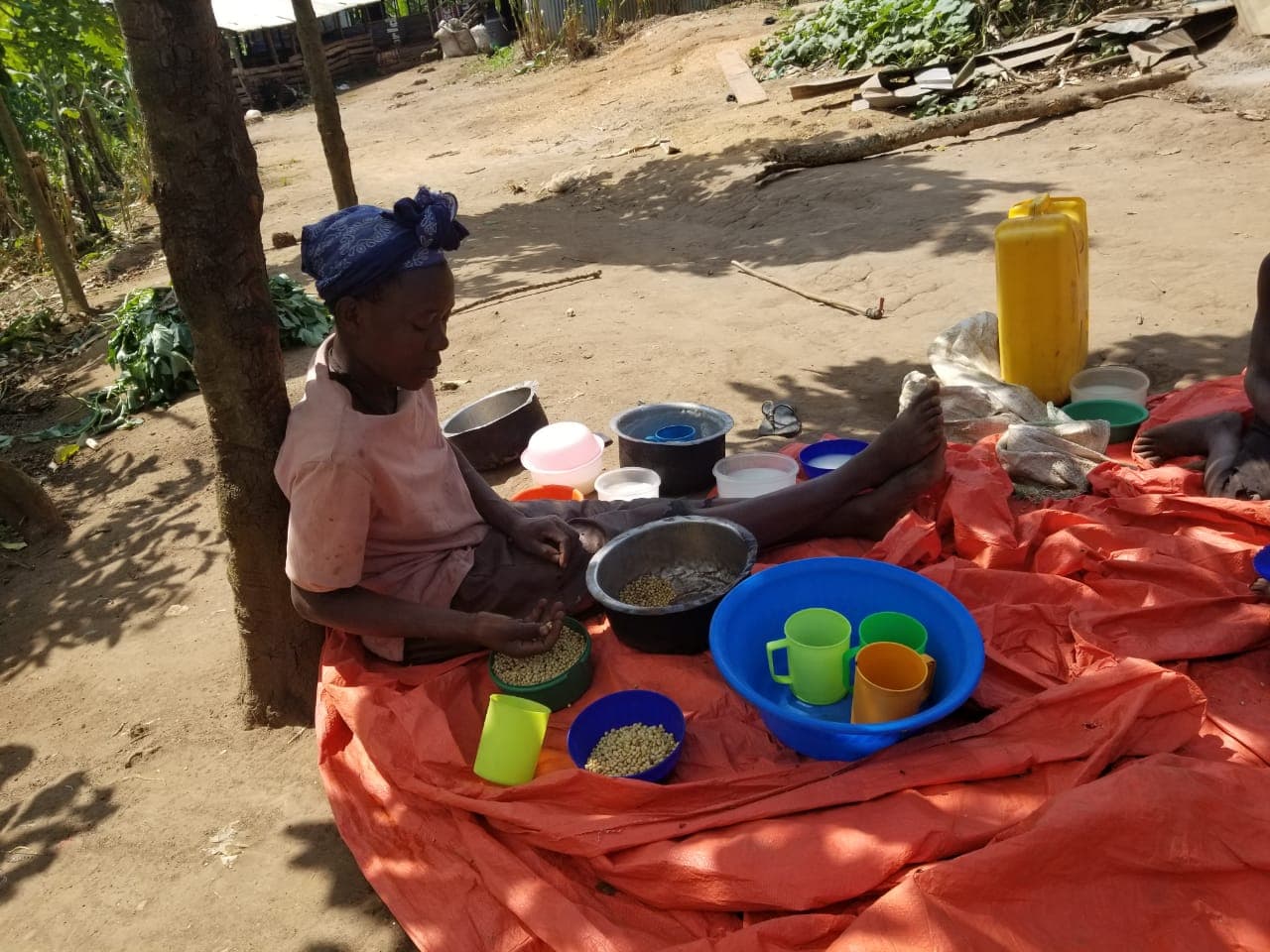
During droughts or crop failures, we mobilize rapid food relief kits containing posho, beans, soap, and cooking oil.
Our Impact
- Increased household incomes and savings
- Reduced unemployment in target communities
- Growth in small businesses and local entrepreneurship
- Improved financial literacy and money management skills
- Greater economic empowerment of women
- Enhanced community resilience to economic shocks