
The Growing Number of Street Children in Uganda: Understanding the Crisis and How We Can Help
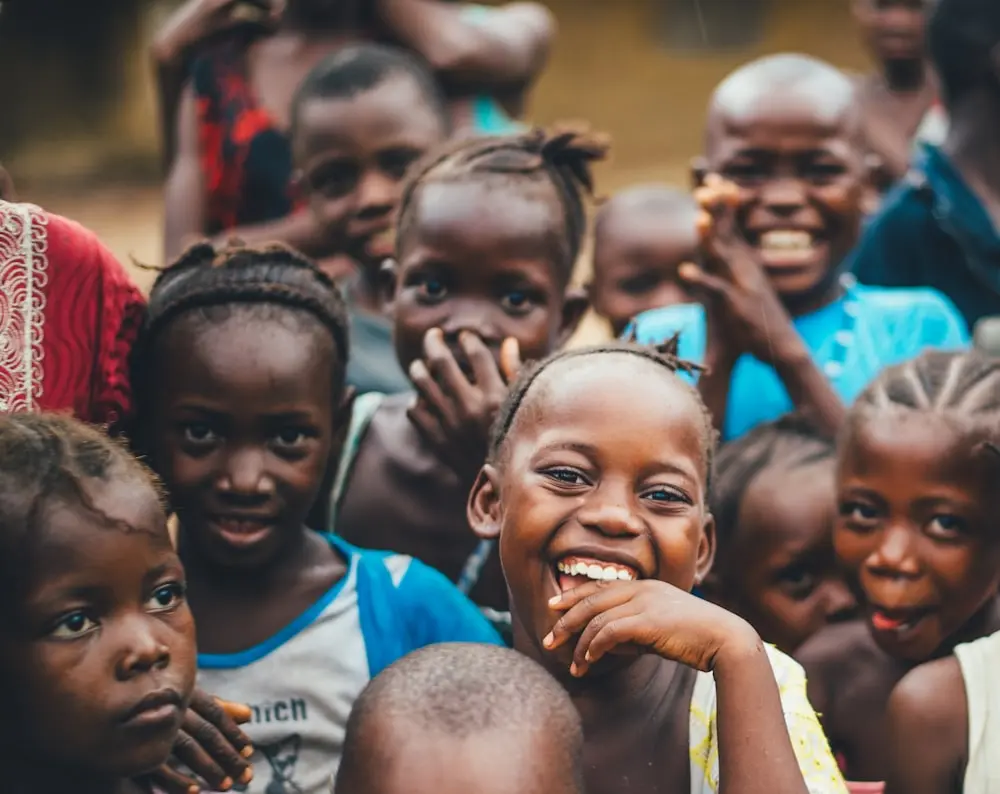
Uganda is a country known for its young and vibrant population, but behind this demographic strength is a growing concern that deserves urgent attention: the increasing number of children living and working on the streets.
In cities such as Kampala and other growing urban centres, children can be seen selling small items, begging, collecting plastic bottles, washing car windscreens, or simply trying to survive. For many people, these encounters have become part of everyday life. Yet for the children involved, the street is not a normal place to grow up—it is often a place of survival.
Why Are Children Ending Up on the Streets?
There is no single reason why a child ends up on the street. The circumstances are often complex and interconnected.
Poverty remains one of the major factors. Families struggling to provide food, education, healthcare, and other basic necessities may find it difficult to care for their children. In some cases, children leave home believing that the streets will provide better opportunities.
Family breakdown and domestic violence can also force children away from home. Children who experience neglect, abuse, the loss of a parent, or conflict within their families may seek safety elsewhere.
Other factors can include school dropout, displacement, substance abuse within families, disability, exploitation, and the influence of peers who are already living on the streets.
Whatever the reason, a child on the street should not simply be viewed as a problem to be removed from public spaces. They are children whose rights, safety, education, and future matter.
Life on the Street Comes With Serious Risks
Life on the streets exposes children to dangers that can have lifelong consequences.
Many struggle to access regular meals, clean water, healthcare, sanitation, and safe shelter. They may be exposed to physical and sexual abuse, exploitation, dangerous work, trafficking, substance abuse, and violence.
Education is another major casualty.
A child who spends their days working, begging, or searching for food is unlikely to have the same opportunity to attend school consistently as a child living in a stable home. Over time, this can make it increasingly difficult for them to break the cycle of poverty.
The longer a child remains on the street, the more difficult reintegration into family, school, and community life can become.
This Is More Than a Kampala Problem
Although the issue is particularly visible in Kampala, street-connected children are not only an urban phenomenon. Economic hardship, family instability, and limited access to social services affect communities across Uganda.
As Uganda's population continues to grow and more people move toward urban centres in search of economic opportunities, the pressures on vulnerable families can also increase.
This means that addressing the issue requires more than responding to children after they reach the streets. We must also strengthen families and communities so that children are less likely to end up there in the first place.
What Can Be Done?
There is no single solution to the street-connected children crisis. Sustainable change requires cooperation between families, communities, civil society organisations, schools, local leaders, government institutions, and responsible members of the public.
Some important interventions include:
- Family support: Helping vulnerable families access basic necessities and income-generating opportunities can reduce the pressure that pushes children onto the streets.
- Education: Supporting children to return to school or access alternative learning opportunities gives them a pathway toward a more secure future.
- Safe shelter and rehabilitation: Children who cannot immediately return home need safe environments where they can receive care, counselling, education, and protection.
- Family tracing and reunification: Where it is safe and appropriate, helping children reconnect with their families can provide the stability they need.
- Vocational skills: Older children and young people need practical skills that can help them become economically independent.
- Child protection: Communities must be empowered to recognise, report, and prevent abuse, exploitation, and trafficking.
- Long-term follow-up: Reintegrating a child is not the end of the journey. Families often need continued support to ensure that children do not return to the streets.
Every Child Deserves a Chance
It is easy to walk past a child on the street and see only the circumstances surrounding them. But behind the dirt, the clothes, the begging, or the work is a child with potential, dreams, talents, and a right to a safe and dignified childhood.
The answer cannot simply be to remove children from the streets and move them elsewhere. Without addressing the circumstances that brought them there, the cycle may continue.
We need solutions that restore dignity, strengthen families, protect children, and create genuine opportunities for a better future.
At Donatella Foundation, we believe that every child deserves an opportunity to grow, learn, and build a meaningful future. Addressing the street-connected children crisis requires all of us to play a part—from supporting vulnerable families and community initiatives to advocating for stronger child protection systems.
We Can Make a Difference Together
The growing number of children living and working on Uganda's streets is a challenge we cannot afford to ignore.
One child rescued from the streets is important. One family strengthened is important. One child returning to school is important. One young person gaining the skills to support themselves is important.
Change happens one child, one family, and one community at a time.
Together, we can help create a Uganda where children are not forced to choose between the streets and survival, but are given the safety, support, education, and opportunities they need to thrive.